Gas leaks everywhere – during extraction, during transportation and from pipes and appliances in homes, even when those appliances are not turned on. If gas builds up in enclosed spaces, a spark can cause it to explode.
Inside Your Home: Gas appliances can emit nitrogen dioxide (NO2), even when they are not on, and often at levels that exceed indoor guidelines and outdoor standards. Gas stoves also emit carbon monoxide and formaldehyde. Hoods are not strong enough or designed to exhaust these chemicals. NO2 can increase inflammation of the airways, worsen coughing and wheezing, reduce lung function, and increase asthma attacks. This article published by RMI (formerly Rocky Mountain Institute) expands on the impact of gas stoves.

Outside: Methane is a potent greenhouse gas. Methane (CH4) is the second-largest contributor to climate warming after carbon dioxide (CO2). Methane traps about 80 times more heat during a 20-year lifetime than carbon dioxide. An estimated 60% of today’s methane emissions are the result of human activities. Nearly 8% of Pennsylvania’s total methane emissions come from its 350,000+ unproductive oil and gas wells, abandoned by their owners or with no known owners. Over the last two years, using taxpayer funds, the state has trained workers and they have plugged 260 of these wells, more than in the last 10 years combined.
Outside, human health concerns are reduced because the methane dissipates when it leaks into the air. However, methane also leaks into the soil from underground gas pipes. This lowers oxygen levels in the soil and deprives roots of oxygen and kills plants. Dying vegetation can be evidence of a gas leak.
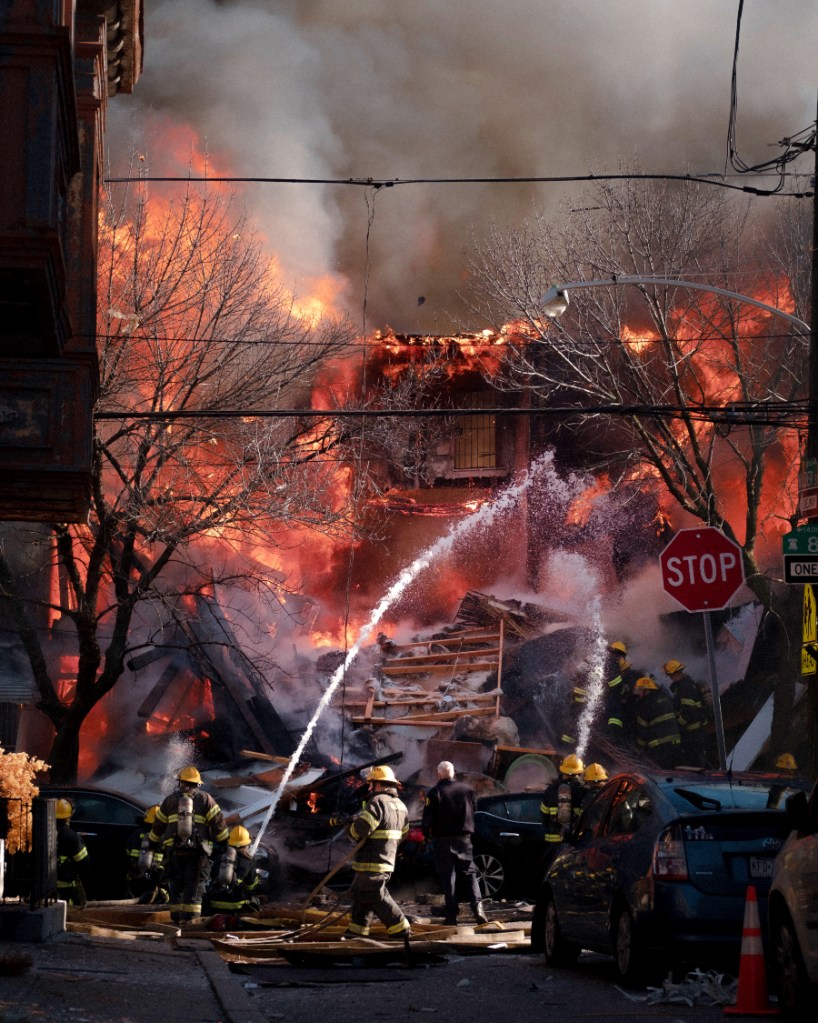
While infrequent, gas explosions in homes can have catastrophic results like this one in 2019 in South Philadelphia that destroyed five homes and killed two people. Another explosion in 2021 injured three. In 2011, a Philadelphia Gas Works employee was killed and six mothers injured in an explosion in the Tacony neighborhood. In that case, workers had already evacuated the people from the home and were opening windows to disperse the gas when it exploded. Homes provide closed-in spaces where gas can collect. In the Tacony incident, a spark from an electric starter on a gas furnace set off the explosion.
 Geodelphia